
Essential and Unseen: The Health and Well-Being of Family Caregivers
Publication Date: November 2026
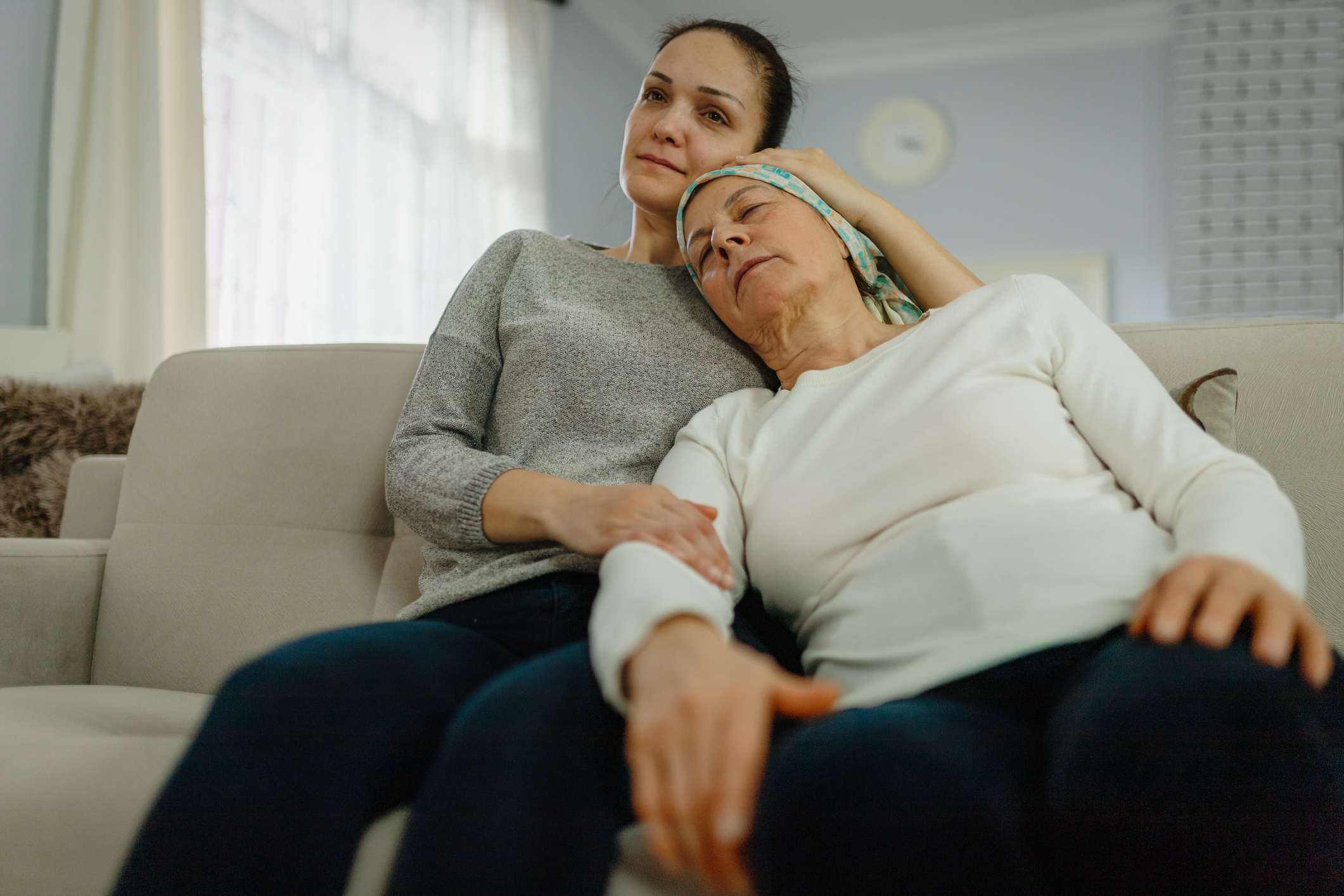
Across the United States, 63 million people are caring for a family member or friend. They manage medications, coordinate appointments, and navigate insurance. They lift, bathe, and drive. Day to day, they make it possible for someone living with a serious illness or disability to keep living their life.
What is less often asked is how they are doing themselves.
This report examines the health and well-being of the 59 million family caregivers who care for an adult. It draws on the Caregiving in the U.S. 2025 survey and describes caregiver health across nine indicators covering physical health, mental health, strain, stress, isolation, self-care, and sense of purpose.
Caregiver health and well-being are explored across four areas:
- caregiver characteristics, such as their age, income, and choice in caregiving,
- caregiving intensity, such as the kinds of tasks performed and the time dedicated to caregiving,
- work and financial strain, such as work status and workplace benefits, and
- healthcare system, services and supports, such as health insurance status and training for caregiving.
Key Takeaways
- Family caregivers carry a measurable health burden, and it is not easing.
- Health differs both by caregiving situation and caregiver characteristics.
- The caregivers who fare worse are often those with the fewest supports.
- A sense of purpose coexists with strain; it does not offset it.
- Caregivers are doing the health system’s work, and the ones carrying the most of it are in the poorest health.
Key Stat
40%
more day of poor mental health than the average adult
Recommendations
The report makes clear and quantifiable for policymakers, health systems leaders, and clinicians the reality that caregivers across the U.S. experience every day: family caregivers carry a heavy burden in health and well-being. The similarity in impacts of caregiving on health and well-being across all types of caregivers is striking. Because these impacts are both widespread and patterned, they lead to specific recommendations for policy and practice interventions to improve the health and well-being of family caregivers.