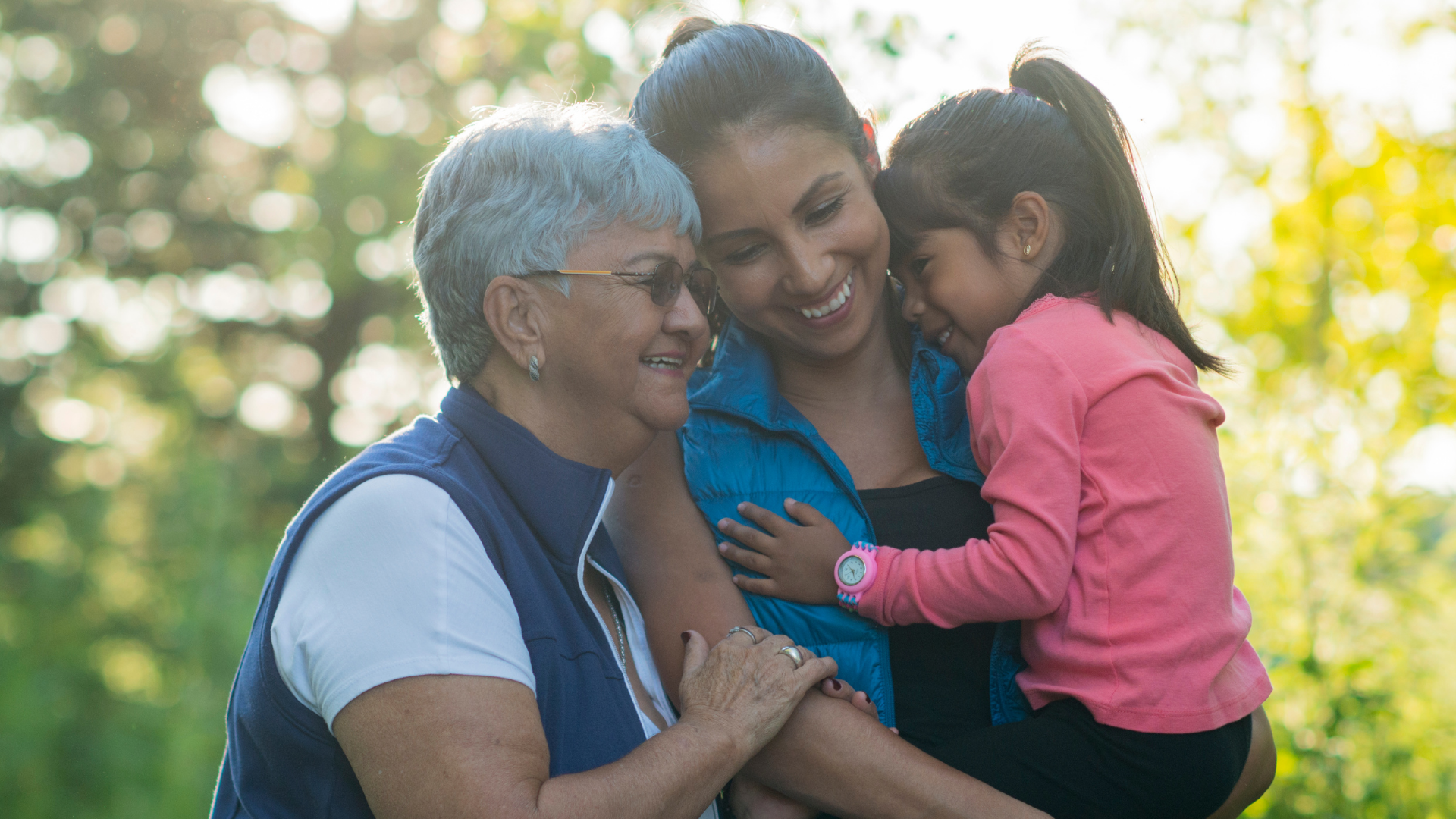
Caught in the Middle: The Crucial Role of Sandwich Generation Caregivers
Overview
The term sandwich generation has been in use for nearly five decades. Unlike other generations, this group is not defined by birth years but rather by a significant commonality in their lives: They are caregivers of adults with disabilities or complex medical conditions while they are also caring for children under age 18 at home. Research shows that parents spend anywhere from 10 to 30 hours providing care to children; for these parents, that time is added to the hours of caregiving they provide. As recent findings demonstrate, the number of sandwich generation caregivers is growing, and their need for support has increased.
Caregiving in the US 2025 data reveal that these caregivers are younger and more economically vulnerable than other caregivers, with less of a financial cushion to absorb the costs of caregiving on top of raising children. Their caregiving is not simply more time-consuming than that of other caregivers; it is also more complex and intense, affecting their wellbeing and financial security. Yet the full extent of their caregiving roles is not consistently recognized in health care settings and in the workplace, where needed support could be offered. Meeting the needs of sandwich generation caregivers starts with acknowledging the full weight of what they carry and understanding how their roles have intensified over time.
Key takeaways:
- 17 million or 29 percent of all caregivers of adults are sandwich generation caregivers.
- Sandwich generation caregivers are engaged in more complex caregiving tasks and are significantly more likely to provide high-intensity care than other caregivers.
- The higher intensity of caregiving is accompanied by strain on the physical wellbeing of sandwich generation caregivers.
- Sandwich generation caregivers are also more likely than their other caregivers to experience work disruption and financial strain.
2026: The Crucial Role of Sandwich Generation Caregivers